


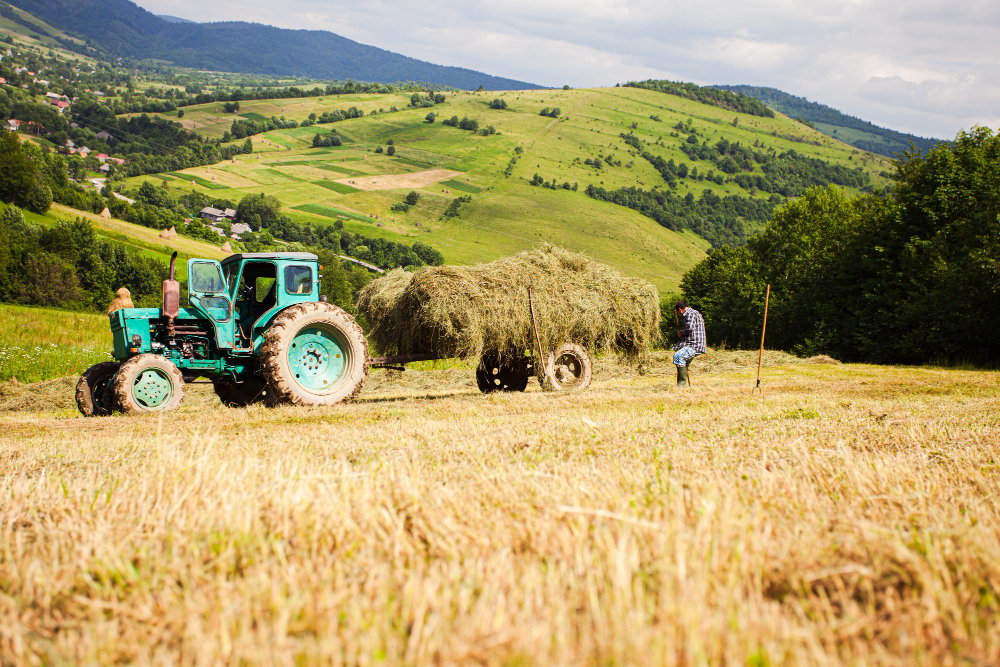
In a significant shift for UK agriculture, the government has announced that smaller farms will be prioritised for new nature-friendly farming funding. The move, designed to level the playing field, aims to ensure that family farms and smallholders are not left behind in the transition to sustainable agriculture, acknowledging their vital role in preserving the British countryside.
A Level Playing Field for Smallholders
For years, critics have argued that agricultural subsidies disproportionately favoured large landowners. The new announcement from the Environment Minister marks a turning point, with reforms to the Environmental Land Management schemes (ELMs) specifically targeted at increasing participation among smaller businesses.
- Simplified Access: The application process for the Sustainable Farming Incentive (SFI) will be streamlined to reduce the administrative burden, a major barrier for small farmers with limited resources.
- Targeted Grants: New funding tiers will be introduced to support smaller-scale environmental projects, such as hedgerow restoration and soil health improvement, which are often more feasible for smaller acreages.
- Vital Biodiversity: The policy recognises that a patchwork of smaller farms is often more beneficial for biodiversity than vast monocultures, supporting pollinators and local wildlife corridors.
The Business Case for Green Farming
For small farm owners, this policy shift presents a tangible financial opportunity. It transforms environmental stewardship from a cost into a revenue stream. However, accessing these funds and adapting farming practices often requires upfront investment in new machinery, technology, or infrastructure.
Financing Your Farm’s Sustainable Transition
Transitioning to nature-friendly farming while maintaining productivity requires capital. Whether it’s purchasing precision farming equipment to reduce chemical use or fencing off areas for rewilding, securing the right finance is key to unlocking government grants. A specialist finance broker can help you navigate the options. With connections to over 95 lenders, brokers can find solutions tailored to the agricultural cycle.
Key finance options for the agricultural sector include:
- Asset Finance: Essential for funding new, efficient machinery or technology (like soil sensors or direct drills) that meets the criteria for sustainable farming grants.
- Agricultural Bridging Loans: Useful for covering the upfront costs of environmental projects while waiting for government grant payments to come through.
- Diversification Loans: For farmers looking to supplement their income alongside nature funding, such as setting up glamping sites or farm shops.
A finance broker can help you structure your borrowing to match your harvest cycles and grant income. For further advice on the new schemes, visit the Defra website.
Conclusion
The prioritisation of smaller farms for nature funding is a welcome recognition of their value to the UK’s environment and economy. It offers a lifeline to many family businesses, providing a route to financial stability through sustainability. By combining government support with smart private financing, small farmers can secure their future and play a leading role in the UK’s green transition.
Are you a small farmer looking to invest in sustainable growth? Explore tailored agricultural finance solutions today.