


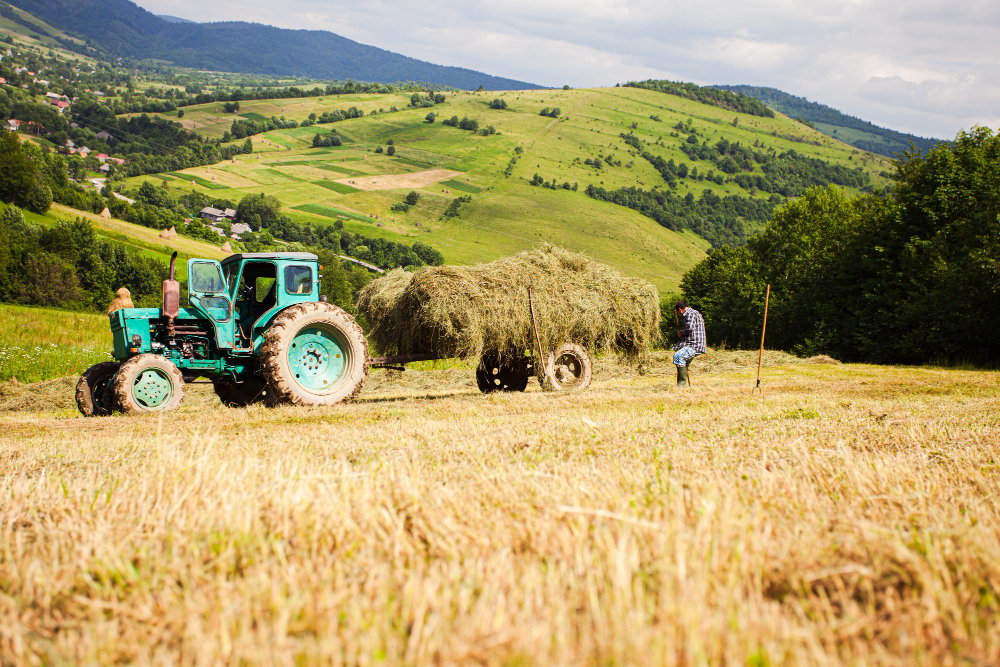
UK farmers are increasingly turning to insurance to protect their businesses against the devastating financial impact of extreme weather, as record-breaking dry and hot conditions put harvests at risk. This growing reliance on insurance highlights the critical challenges climate change poses to the UK’s food production and the need for greater investment in long-term resilience.
Drought and Heatwaves Threaten UK Harvests
Following one of the driest springs on record, the UK agricultural sector is facing significant pressure. The combination of low rainfall and heatwaves has created “tinderbox conditions” on farms across the country.
- Poor Harvest Forecasts: Analysis from the Energy and Climate Intelligence Unit (ECIU) has warned that the 2025 harvest is on a “knife edge,” with the potential to be one of the worst on record.
- Impact on Crops: The dry weather has stressed crops, particularly high-value ones like vegetables and potatoes, reducing yield potential. Reports from Farmers Weekly show that yields are highly variable and uncertain.
- Increased Wildfire Risk: The National Farmers’ Union (NFU) has issued urgent warnings about the increased risk of wildfires on farmland, which not only threaten crops and livestock but also lives and property. Data from NFU Mutual shows the cost of farm fires has already been rising dramatically.
Insurance as a Critical Risk Management Tool
In the face of such volatility, agricultural insurance is becoming less of an option and more of a necessity for managing financial risk.
- Protecting Against Losses: Farmers are using insurance to cover losses from crop failure due to drought, as well as damage from related events like hailstorms or fires.
- A Vital Safety Net: With tight profit margins, an uninsured loss of crops or machinery can be catastrophic for a farm business. Insurance provides a crucial safety net to help businesses survive a bad year.
- Types of Cover: Specialist agricultural insurers like Lycetts and Farm & General offer a range of products, from crop-specific policies to cover for farm property, vehicles, and business interruption.
Beyond Insurance: The Need for Investment in Resilience
While insurance can cover immediate losses, industry leaders are clear that it is not a long-term solution to the underlying problem. The NFU and other farming bodies are calling for urgent investment in resilience to adapt to the “new normal” of extreme weather.
- Water Management: There is a critical need for investment in water infrastructure, including on-farm reservoirs and more efficient irrigation systems, to cope with prolonged dry periods.
- Adapting Farming Practices: Farmers are exploring strategies like diversifying into more drought-resistant crops, improving soil health to retain moisture, and using new technologies to manage water use more effectively.
- Government Support: The government has acknowledged these challenges, with some funding available for sustainable farming practices through Defra’s programmes, but the industry is calling for a more comprehensive long-term strategy.
Financing Agricultural Adaptation and Resilience
Making the necessary investments to build a climate-resilient farm requires significant capital. Information on government support and finance options can be a useful starting point. Working with a specialist finance broker provides access to a wide network of lenders and tailored solutions. With connections to over 95 lenders, brokers can help you navigate the market effectively.
Key finance solutions for the agriculture sector include:
- Asset Finance: For purchasing new irrigation equipment, farm machinery, or funding the construction of water storage reservoirs.
- Green and Sustainability Loans: Funding specifically for projects that improve environmental resilience, such as sustainable water management or soil health initiatives.
- Working Capital Loans: To manage cash flow during difficult seasons, cover the upfront cost of insurance premiums, or invest in drought-resistant seeds.
- Business Loans (Unsecured and Secured): For larger diversification projects or significant infrastructure upgrades.
Partnering with a finance broker simplifies finding and applying for the right funding. They understand the unique challenges of the agricultural sector and can guide businesses to the most suitable financial products. For further impartial advice, explore resources from the British Business Bank and guides like the ICAEW Business Finance Guide.
Conclusion
The increasing frequency of drought in the UK is forcing a fundamental rethink of risk and resilience in the farming sector. While insurance provides an essential buffer against immediate financial shocks, the long-term viability of UK agriculture depends on proactive investment in adaptation. For farmers ready to make these crucial investments, securing the right financial support will be key to building a sustainable and productive future in the face of a changing climate.
Is your farm or agricultural business looking to invest in climate resilience and adaptation? Explore tailored finance solutions today and connect with our network of over 95 lenders to find the perfect fit for your needs.